Tennis-themed games, especially RNG-based casino slots and digital bingo, hinge on instantly communicating their sport to players. With countless sports titles vying for attention, clarity and immediacy in visuals are critical. But beyond just look stevegtennis.com and feel, design intersects with game mechanics and player expectations in unique ways. For example, online casino games lean heavily on randomized outcomes, so visual cues must enrich experience rather than imply player control over results.
In this post, we’ll break down the core tennis visuals every game needs for rapid player recognition, explore how court layout doubles as a clean UI framework, analyze the role of scoring tension to pace gameplay, and untangle theme from RNG-based mechanics. To keep it practical, we’ll focus on highly distinctive elements like the tennis ball, white court lines, and the net and racket. For games offering RTP (return to player) as a decision factor, pairing strong tennis imagery with transparent math creates the best player experience.

Instant Recognition of Tennis Visuals
First impressions matter. Whether someone lands on a slot game or an online bingo card themed around tennis, they should be able to identify the sport immediately. This requires steering clear of vague or generic sports imagery and leaning into instantly recognizable tennis symbols.
Key Visuals for Instant Sport Identification
- Tennis Ball: The fuzzy yellow-green ball is tennis’ trademark. Its unique color and texture make it an icon of the sport beyond question. Including animated tennis balls bouncing or spinning adds dynamism and immediate recognition. White Court Lines: Unlike many sports, tennis courts have a very specific line layout — distinct service boxes, baselines, and sidelines. These bright white lines starkly contrast the typically green, blue, or clay-colored playing surface, making them easy visual shorthand for tennis. Net and Racket: The black mesh net stretched across the court is central to gameplay and appears in almost every tennis image. Coupled with the player’s racket—another instantly recognizable silhouette—these emphasize the sport’s mechanics and setting.
Including these elements signals “tennis” clearly and quickly. Games that miss these basics risk confusion or lackluster themes that don’t stand out in a crowded marketplace.
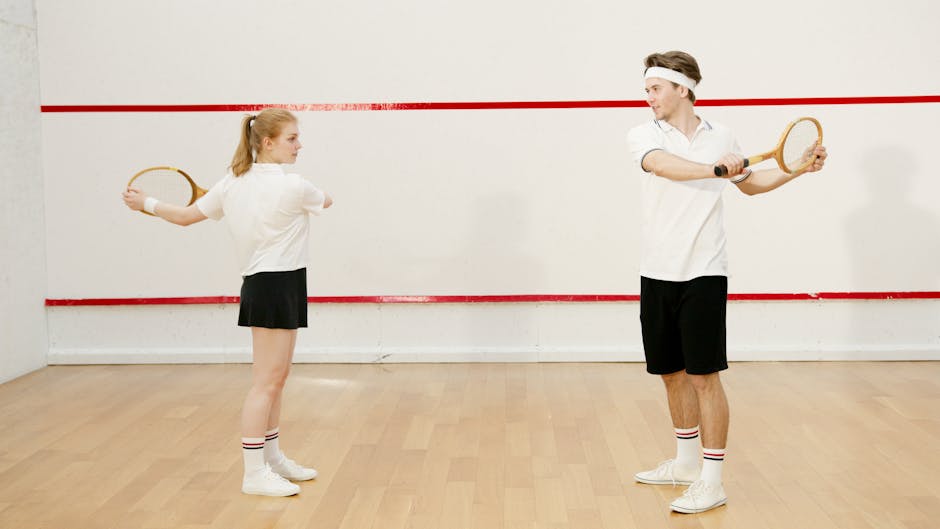
Court Layout as a Clean UI Frame
Beyond thematic clarity, the tennis court layout offers an elegant foundation for intuitive user interfaces. The grid-like pattern defined by the white lines can frame game elements while enhancing visual harmony and player understanding.
Why Court Lines Make UX Stronger
Tennis court lines create natural zones to organize information:
- Service boxes: Small rectangular areas can partition symbol clusters or jackpots in a slot panel, or segment betting options in sports betting interfaces. Baselines and sidelines: These provide discrete boundaries around the game’s main action area, helping focus attention and reducing clutter. No distractions: Unlike overly ornate backgrounds common in many slots, the simplicity of solid surfaces—with subtle texture and clear demarcation—helps keep the UI clean.
For RNG-based games—where the underlying random number generator drives outcomes—this structured layout visually supports transparency, giving the player a stable frame of reference without overcomplicating the design.
Pro tip: Use stylized textures that replicate court surfaces (grass, clay, hard), but keep strong contrast on white lines to preserve clarity.
Scoring Tension as Gameplay Pacing
Tennis is famous for its point-by-point tension: break points, tie-breaks, and match points deliver excitement peaks that heighten emotional investment. Translating this pacing to a tennis-themed RNG game enhances engagement without suggesting excessive player influence over randomness.
Integrating Tennis Scoring Moments
Scoring Moment What It Represents How To Use In Game Player Impact Break Point Chance to win opponent’s serve Trigger mini bonus rounds or increased multipliers to raise stakes Excitement spike; RNG outcome unaffected Tie-Break Condensed scoring to decide tight sets Activate special spin modes or time-limited jackpots for rapid action Increased chance of payout events; still randomized Match Point Final point to decide winner Include a “final spin” or chance for big bonus, visually highlighted Heightens drama; random chance remains keyBy pacing key events around tennis scoring milestones, designers amplify emotional beats while staying truthful to RNG logic. Alerts like flashing “Break Point” text or tennis ball animations create natural tension without implying players can control outcomes.
Theme Versus Mechanics: Embracing RNG Reality
Here is a crucial distinction often glossed over in themed slots and casino games: the theme is cosmetic, the mechanics are mathematical and random. Tennis imagery sets atmosphere and mood, but it does not—and cannot—alter the underpinning RNG results.
This separation is vital to maintain player trust and clarify expectations. Marketing materials and UI should avoid suggesting “winning streaks” or “skill shots” affect randomness. Instead, theme elements can visualize results, celebrate wins, or highlight volatility, but never promise control.
RTP as a More Meaningful Decision Factor
Return to Player (RTP) percentage remains a concrete metric players can use to evaluate games. While the tennis theme enhances engagement, the RTP truly determines long-term payout expectations.
Game designers and platforms should clearly display RTP alongside thematic features, letting players make an informed choice. This is especially important given how the excitement of thematic tension moments (break points, tie-breaks) might otherwise imply increased chances or strategy.
Summary: Must-Have Visuals for a Tennis-Themed RNG Game
Tennis Ball: Central icon, used dynamically to generate movement and focus. White Court Lines: Define gameplay area, UI zones, and reinforce the sport. Net and Racket: Essential silhouettes that anchor theme with clarity. Court Surface: Subtle texture supporting player orientation and theme authenticity. Scoring Tension States: Visual highlights for break point, tie-break, and match point that boost pacing without implying skill influence.Final Thoughts
In conclusion, the best tennis-themed RNG games rely on a concise visual vocabulary to ensure instant recognition—starting with the tennis ball, crisp white court lines, and the iconic net and racket. The court layout doubles as a clean, intuitive UI framework, anchoring interface elements without noise. Introducing scoring tension moments enriches pacing and excitement responsibly, without crossing into misleading territory.
Crucially, designers must respect RNG reality and separate theme from mechanics, so players understand that randomized math drives outcomes regardless of how realistic the tennis visuals are. Combined with transparent RTP information, these design principles build both player trust and thematic immersion.
With these elements in place, tennis-themed casino games can deliver crisp, authentic experiences that stand out while staying upfront about how the game really works.